Amba in skilled nursing.
Person-centered health monitoring with no cameras, audio recording or wearables.
Skilled nursing teams have a difficult job managing complex resident needs around the clock. Amba helps care teams spot changes earlier and make better-informed decisions, without adding more work. Understanding patterns in sleep, mobility, vitals and daily routines means catching concerns before they get worse.
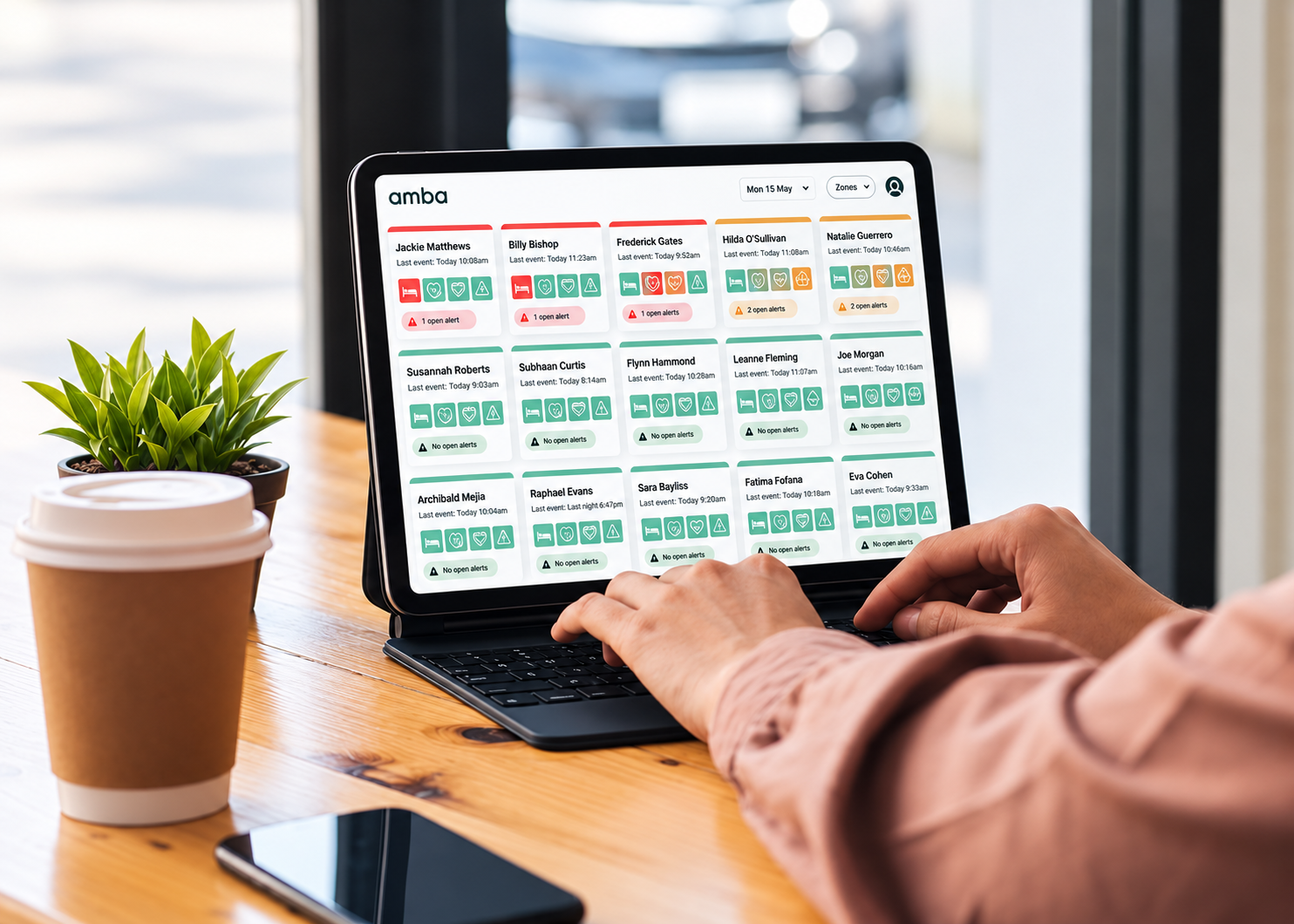
Stronger clinical and operational oversight.
Amba gives skilled nursing teams a real-time picture of the whole community, so they know where their attention matters most. Clinical leaders get the trend data to see what’s happening community-wide and to keep their teams aligned across each unit.
This is especially useful in small-house and Green House® models, where decentralized teams need the right information to deliver highly personalized care without losing clinical oversight.
A low-impact system that benefits everyone.
Amba improves skilled nursing care for all involved.
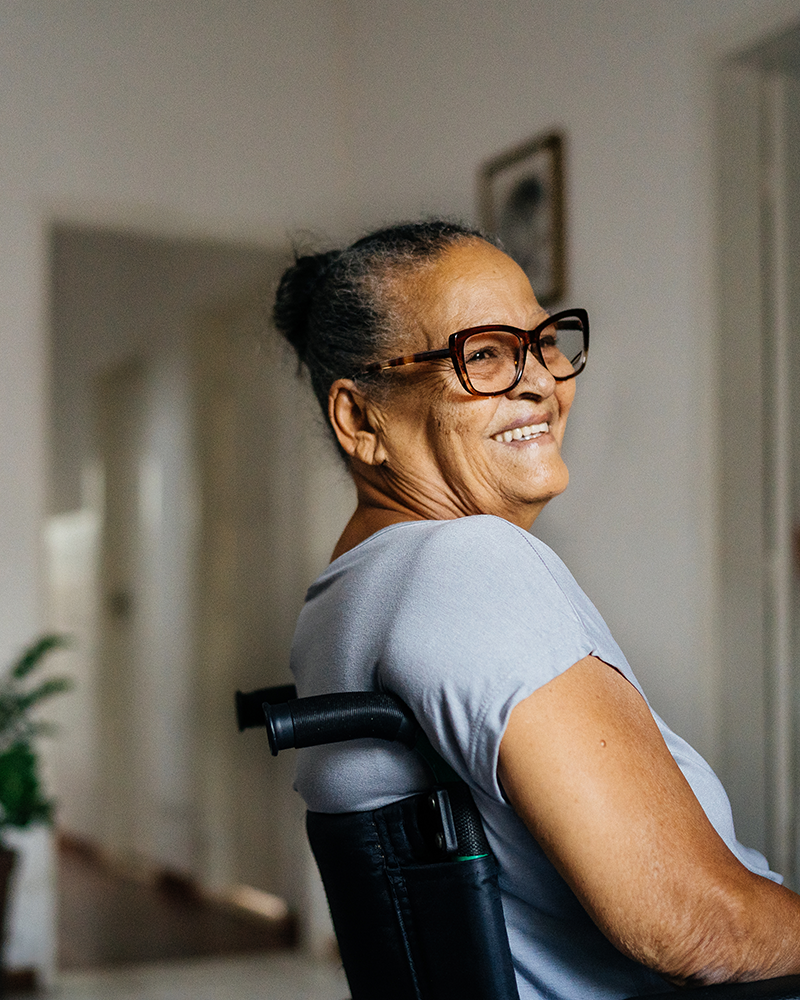
- Residents gain: more personalized care, fewer disruptions to their sleep, earlier detection of health challenges and more dignity.
- Care teams gain: better prioritization, earlier insight and greater confidence in care decisions.
- Organizations gain: stronger clinical oversight, better care team collaboration and improved resident outcomes.