How Fall Detection Systems Are Changing Senior Living
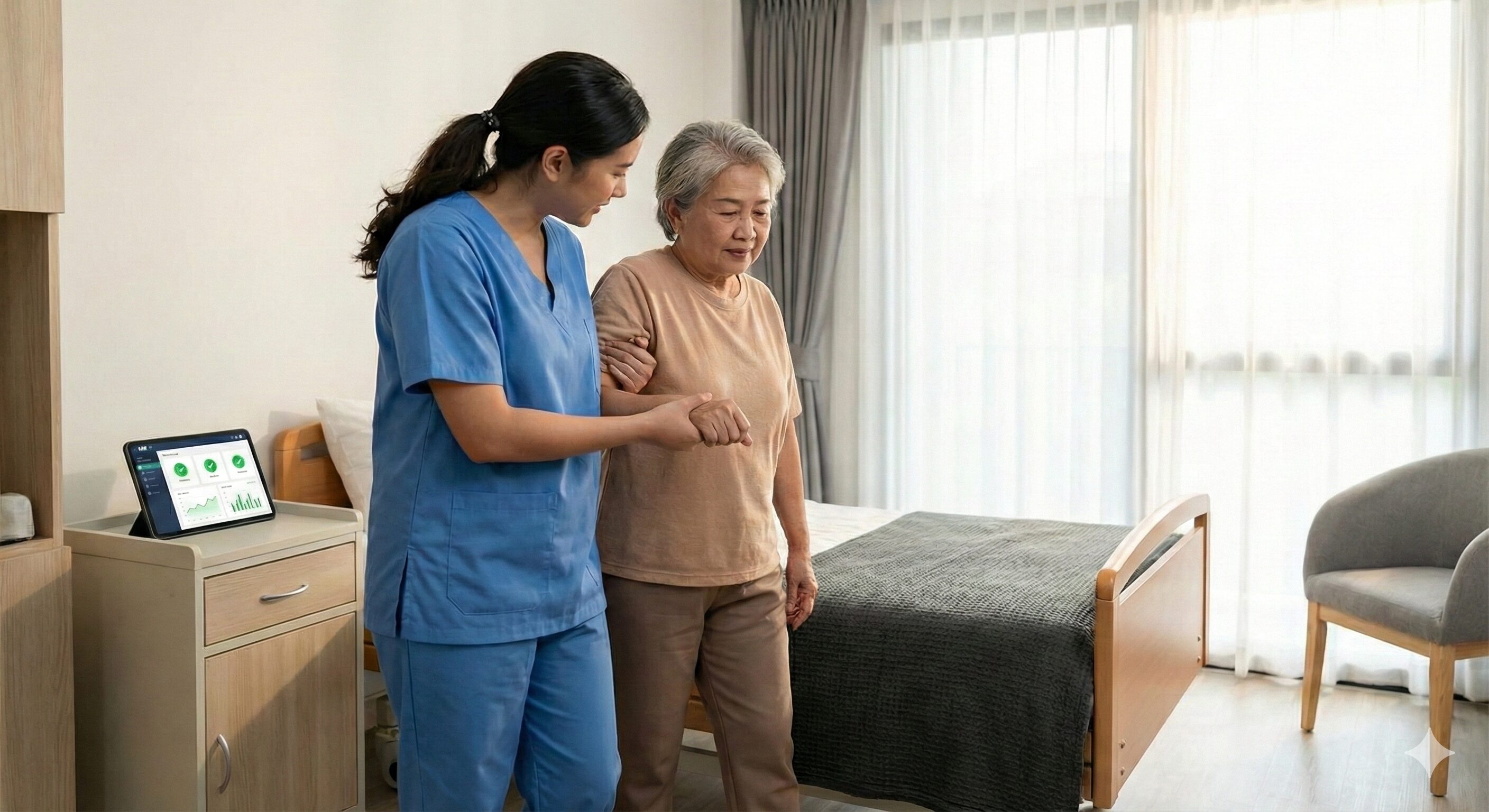
Falls are among the most common and feared events in senior living communities. For residents, a fall can instantly change confidence, mobility, and independence. For care teams, it’s the moment everyone hopes never happens but prepares for every day. Managing fall risk isn’t just a clinical responsibility; it’s a constant operational and emotional pressure that shapes how care is delivered.
Traditionally, managing fall risk meant relying on scheduled room checks. While well-intentioned, these manual checks have significant limitations. A resident might fall five minutes after a check, lying undiscovered and in pain for nearly an hour before the next round. This gap in care can lead to severe complications, hospitalizations, and a loss of confidence for both the resident and their family.
However, the landscape of safety in aging populations is shifting rapidly. Advanced fall-detection systems are moving beyond simple pendant alarms to sophisticated, passive-monitoring solutions. These technologies promise not only to detect falls when they happen but also to provide the insights needed to prevent them. By integrating these systems, senior living communities can transform their approach from reactive to proactive, ensuring a higher standard of care and peace of mind for everyone involved.
In this guide, we’ll explore how modern fall detection works, the different types of technology available, and why upgrading your system is one of the most impactful investments you can make for your facility.
The Hidden Costs of Falls in Senior Living
To understand the value of detection systems, we must first look at the broader impact of falls. It goes beyond the immediate physical injury.
Impact on Resident Health
The physical consequences are obvious—hip fractures, head traumas, and lacerations. But the psychological toll is equally damaging. A “fear of falling” often develops after an incident, leading residents to restrict their activity. This sedentary behavior causes muscle atrophy and balance loss, which, ironically, increases the risk of future falls.
Strain on Care Staff
For caregivers, the constant anxiety of a potential fall contributes to burnout. Manual checking cycles (often every two hours at night) are physically demanding and repetitive. Finding a resident who has been on the floor for an extended period is traumatic for staff, leading to emotional distress and lower job satisfaction.
Operational and Financial Risks
From a business perspective, high fall rates can lead to:
- Increased insurance premiums.
- Regulatory fines and lower quality ratings.
- Higher staff turnover rates.
- Loss of trust from families and potential residents.
How Modern Fall Detection Works
Gone are the days when a fall alarm simply meant a button a resident had to push. While those devices still exist, cognitive decline or loss of consciousness often renders them useless during an actual emergency. Today’s systems use a variety of sensors and artificial intelligence to monitor safety without requiring active input from the resident.
Wearable Technology
This category includes pendants, watches, and belt clips equipped with accelerometers. They measure speed and angle changes to identify a sudden drop.
- Pros: Portable and works anywhere in the facility.
- Cons: Residents with dementia may forget to wear them, or they may be removed during sleep/showering (high-risk times). Additionally, some residents find constant wear distressing, as it serves as a visible reminder of vulnerability and loss of independence, leading to resistance or disengagement.
Ambient Sensing (Passive Monitoring)
This is the frontier where companies like Amba are making significant strides. Ambient sensing involves discreet devices placed around the room, such as motion sensors, door sensors, and sleep mats.
- How it works: These sensors build a picture of “normal” activity. If a resident gets out of bed and doesn’t return within a set timeframe, or if motion is detected at floor level, the system immediately alerts the care team.
- Pros: No wearables required (dignified), 24/7 monitoring, and high accuracy.
Optical and Radar Sensors
Some advanced systems use cameras (often with privacy-blurring features) or radar technology to map the room in 3D. They can detect a person rapidly moving from a vertical to a horizontal position.
- Pros: These systems enable real-time fall detection without requiring residents to wear or activate a device and can be effective in shared or common spaces where other monitoring approaches may be limited.
- Cons: Even with privacy protections, camera-based monitoring may feel intrusive to residents and families and can raise concerns around dignity, consent, and data security. Radar-based solutions avoid video but may be more costly and sensitive to room layout and installation requirements.
5 Key Benefits of Implementing Advanced Fall Detection
Upgrading to a smart detection system offers advantages that ripple through every aspect of care home operations.
1. Faster Response Times
The “Golden Hour” concept in emergency medicine applies here. The faster a resident receives help after a fall, the better the outcome. Systems that send real-time alerts to caregiver dashboards or mobile devices ensure that help arrives in minutes, not hours. This rapid response prevents complications like pressure sores, dehydration, or rhabdomyolysis (muscle breakdown) associated with “long lies.”
2. Reduction in Nighttime Disturbances
Traditional scheduled checks often wake residents up, leading to poor sleep quality. Sleep deprivation is linked to delirium and confusion, which, you guessed it, increases fall risk. Passive systems allow staff to monitor safety from a central dashboard. As the team at Amba notes, “Pat has been out of bed for 20 minutes, let’s go and see her” is a much more effective strategy than blindly checking every room.
3. Predictive Analytics and Prevention
This is the game-changer. Smart systems collect data over time. If a resident is getting out of bed frequently at 3 AM to use the bathroom, the data highlights a pattern. Care staff can then intervene proactively, perhaps by adjusting fluid intake schedules or offering toileting assistance at 2:45 AM. By addressing the root cause, you prevent the fall from happening in the first place.
4. Staff Efficiency and Satisfaction
When technology handles the monitoring, caregivers are freed from the “tick-box” culture of 15-minute or hourly checks. This time can be redirected toward meaningful social interaction and personalized care. Feedback from nurses using Amba’s system highlights this shift: “As a nurse, Amba eases my workload, it eases my stress level.”
5. Peace of Mind for Families
Families struggle with the guilt of moving a loved one into care. Knowing the facility uses cutting-edge technology to ensure 24/7 safety provides immense reassurance. It demonstrates that the facility is forward-thinking and prioritizes resident well-being.
Choosing the Right System for Your Community
With various options on the market, selecting the right solution requires careful consideration.
- Integration: Does the system talk to your existing nurse call system and resident records?
- Privacy: Does the solution respect the resident’s dignity? Cameras can be invasive, whereas motion sensors and sleep mats offer privacy while maintaining safety.
- Scalability: Can you start with a few rooms and expand from there? Can the system adapt to a resident’s changing needs (e.g., by adding wandering detection)?
- Ease of Use: Is the dashboard intuitive for staff? Complex systems often go unused. Look for simple interfaces that provide clear, actionable information.
Frequently Asked Questions
Do fall detection systems replace care staff?
No. These systems are designed to empower caregivers, not replace them. They act as an extra set of eyes, allowing staff to prioritize their time and attend to residents who actually need assistance, rather than conducting routine checks on those who are sleeping soundly.
How accurate are passive monitoring systems?
Modern systems are highly accurate. By using a combination of sensors (motion, door, pressure), they can distinguish between normal movements and potential emergencies, significantly reducing false alarms compared to older technologies.
Is it difficult to install these systems in an existing building?
It depends on the provider. Some require extensive hardwiring. However, solutions like Amba are designed for minimal disruption and can often be installed in a resident’s room in as little as 10 minutes.
What happens if the internet goes down?
Most enterprise-grade safety systems have local backups or fail-safes to ensure critical alarms continue to function during network interruptions. Always ask potential vendors about their redundancy protocols.
Making the Shift to Proactive Care
The future of senior living communities is data-driven and person-centered. Fall detection systems are no longer just an “add-on”; they are a fundamental component of modern safety infrastructure. By moving away from reactive measures and embracing smart technology, facilities can break the cycle of falls, injuries, and hospitalizations.
Investing in these systems yields returns in the form of healthier residents, happier staff, and a reputation for safety excellence. If you are looking to modernize your care approach, now is the time to explore your options.
