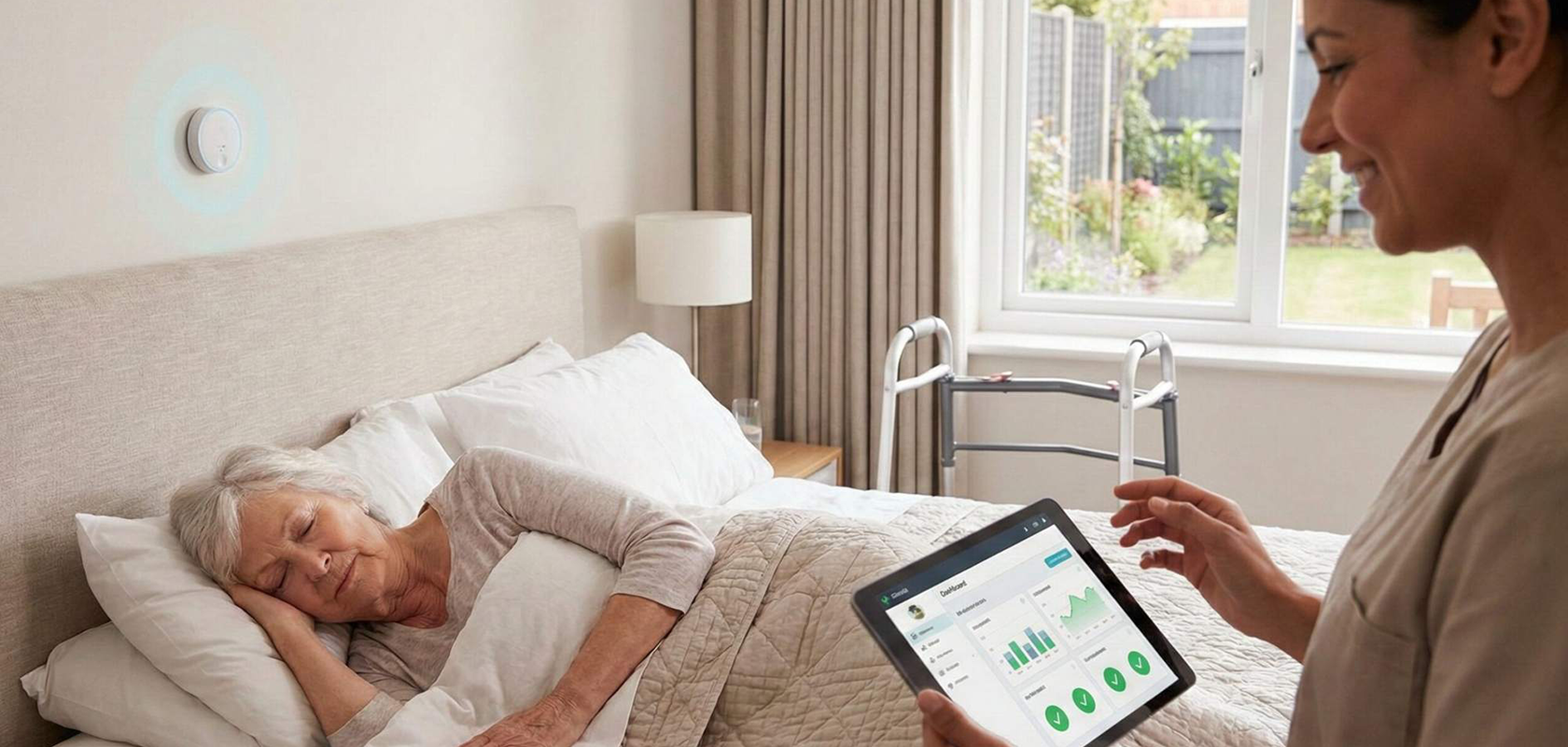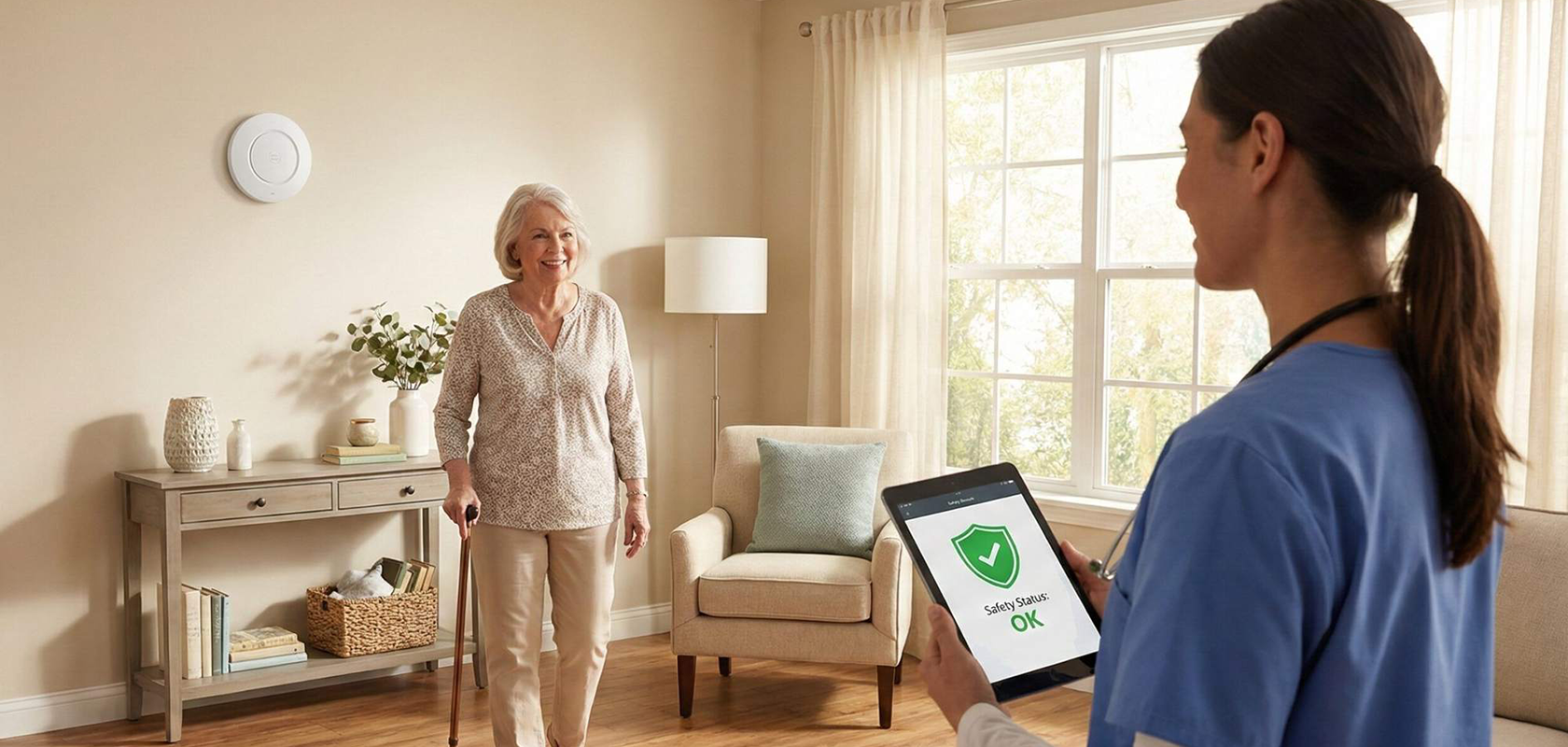
How Fall Detection Systems Are Changing Senior Living
Managing fall risk isn’t just a clinical responsibility; it’s a constant operational and emotional pressure that shapes how care is delivered.
As an Executive Director, you live at the intersection of compassion and commerce. Your daily reality involves balancing the emotional needs of residents and their families with the rigid financial expectations of your investors and board members.
In boardrooms across the senior living sector, one topic dominates every strategic discussion: staffing. The industry is facing a brutal reality where the demand for beds is rising, but the supply of qualified caregivers is shrinking.
In the current senior living landscape, executive directors and facility owners are caught in a pincer movement.
The senior living industry is at a crossroads. Demand is rising as the population ages, yet staffing shortages remain a critical bottleneck.
For any senior care community, ensuring resident safety is the highest priority. Among the many challenges, preventing falls stands out as a critical, daily concern.
November is a time to honor the incredible individuals who form the backbone of our healthcare system. Nurses, home care aides, therapists, and social workers dedicate their lives to making a profound difference in the well-being of patients and families.
November marks American Diabetes Month, a time to raise awareness and support for the millions affected by diabetes.
This October, we celebrate the 25th anniversary of Health Literacy Month, a milestone that highlights the critical role health literacy plays in improving the quality of care and well-being for older adults.
Every year, Fall Prevention Week serves as a reminder of the significant risk falls pose to older adults.