

Every Executive Director in senior living has been in this meeting: a technology vendor has made a compelling case, your clinical team is interested, and you believe the investment would genuinely improve resident outcomes.

Every Executive Director in senior living has been in this meeting: a technology vendor has made a compelling case, your clinical team is interested, and you believe the investment would genuinely improve resident outcomes.
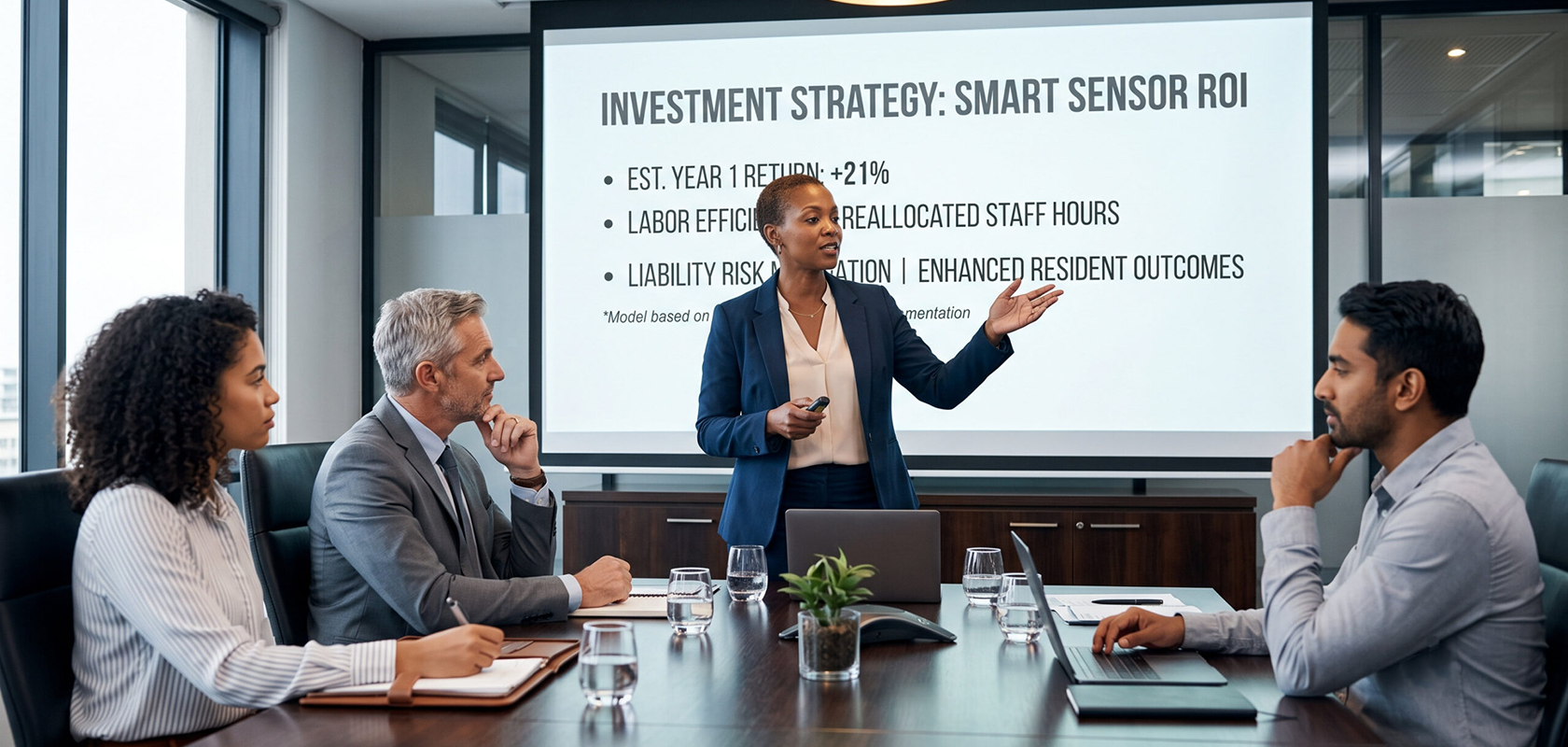
Every Executive Director in senior living has been in this meeting: a technology vendor has made a compelling case, your clinical team is interested, and you believe the investment would genuinely improve resident outcomes.
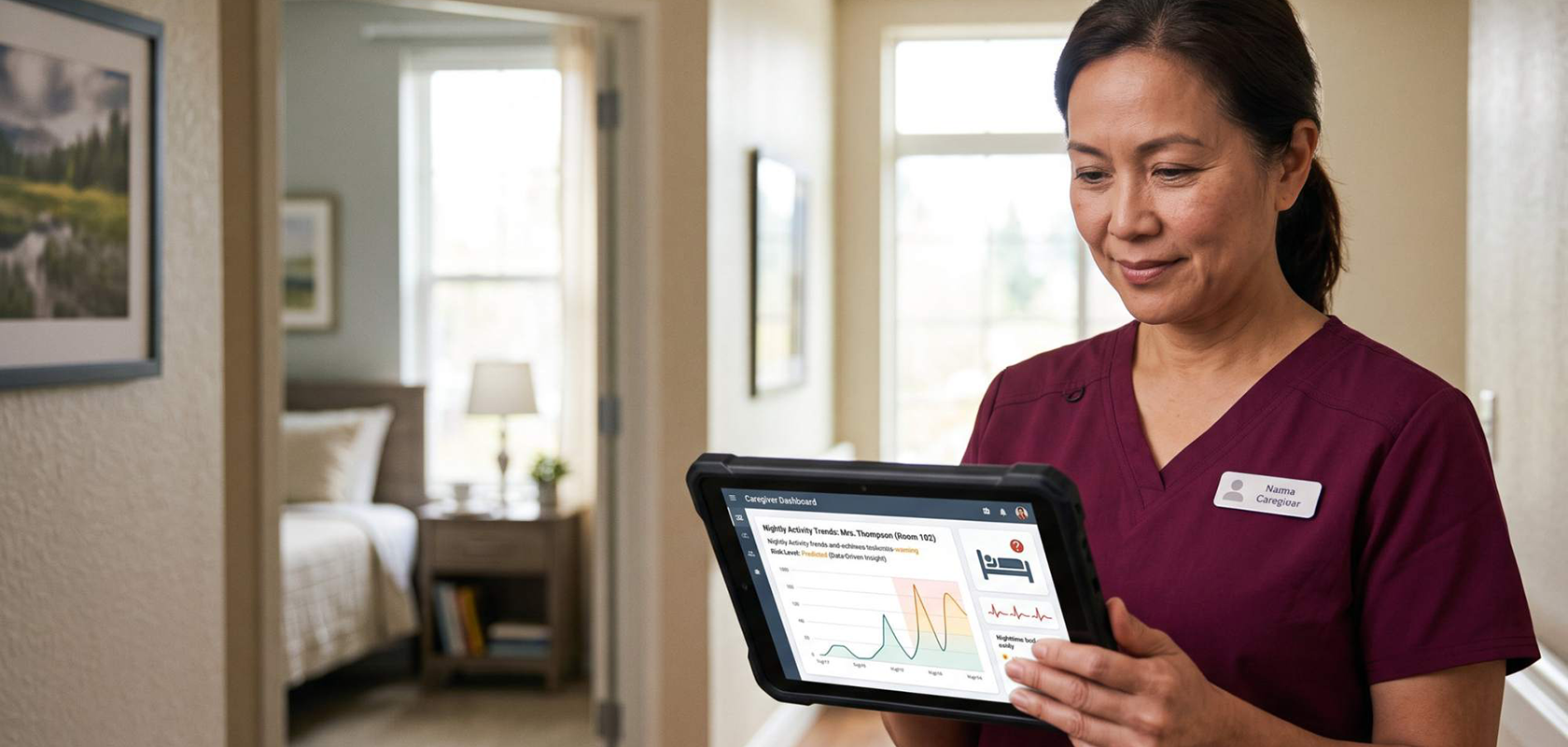
The most dangerous fall in senior care is not the one that just happened. It is the one that is building quietly, in disrupted sleep patterns, increased nighttime restlessness, and subtle changes in movement that no scheduled room check would ever catch.
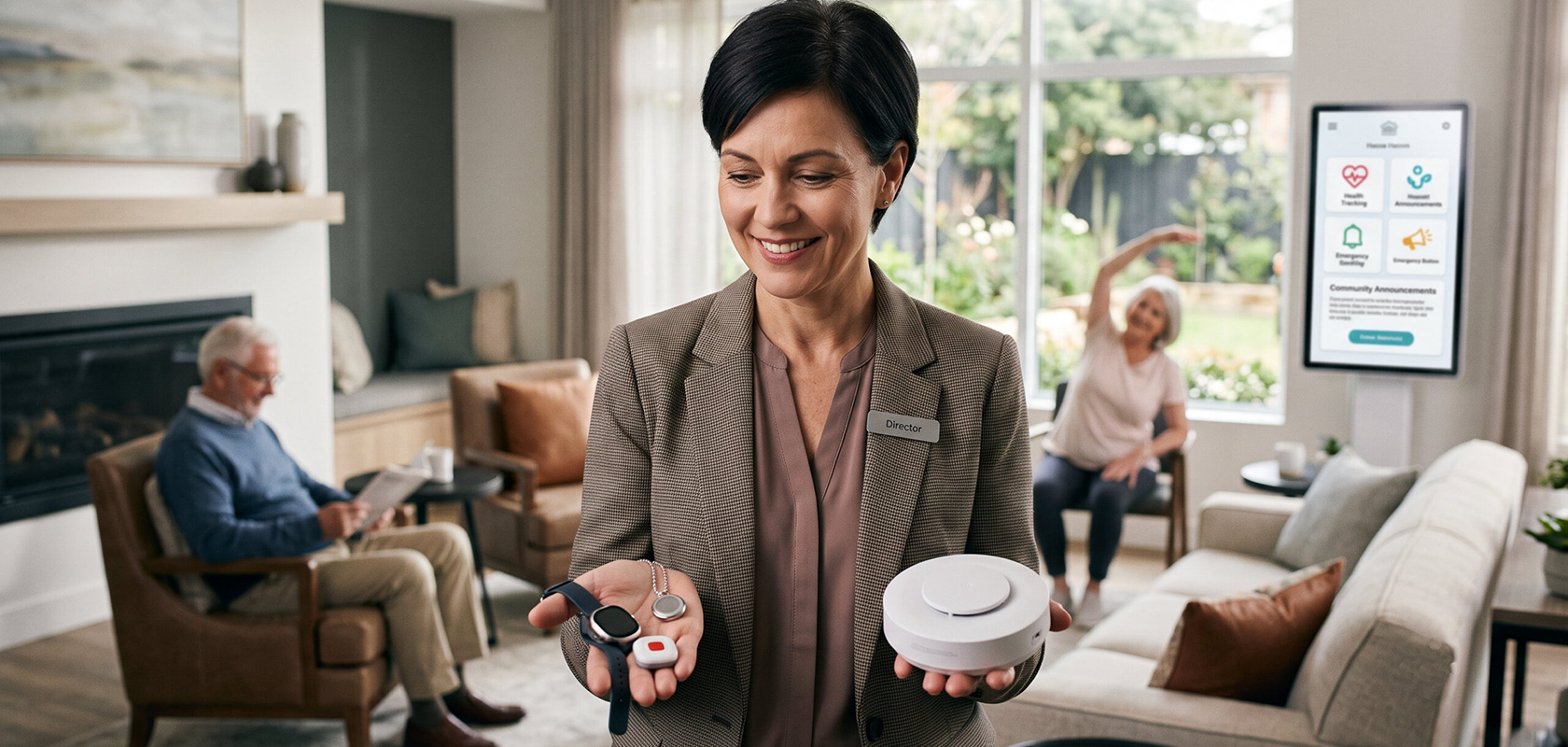
As senior living communities continue searching for better ways to protect residents while preserving independence, one question keeps surfacing across the industry: Should communities rely on wearable devices or passive monitoring systems?
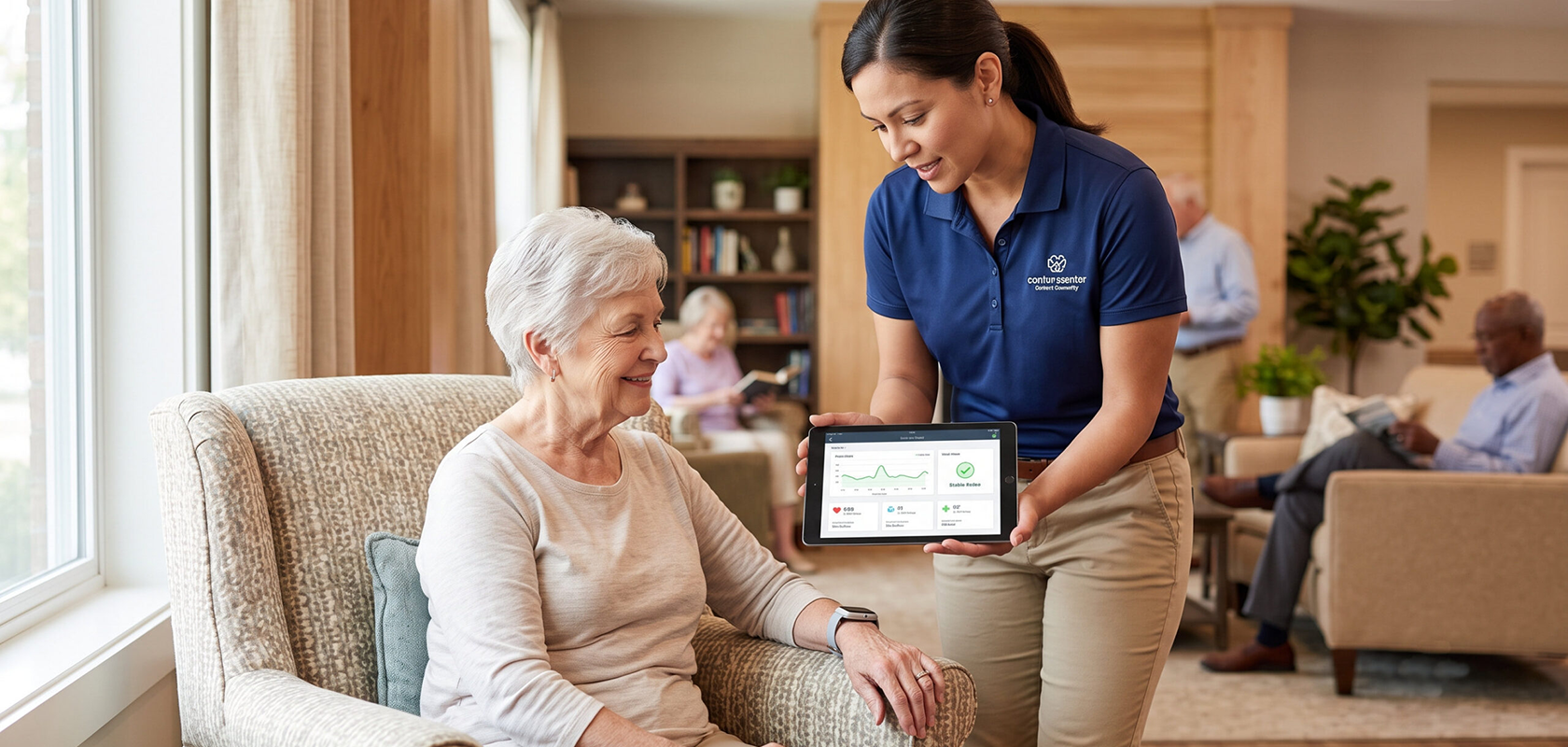
Value-based care and remote patient monitoring are rapidly becoming one of the most important operational and financial shifts in the senior care industry.
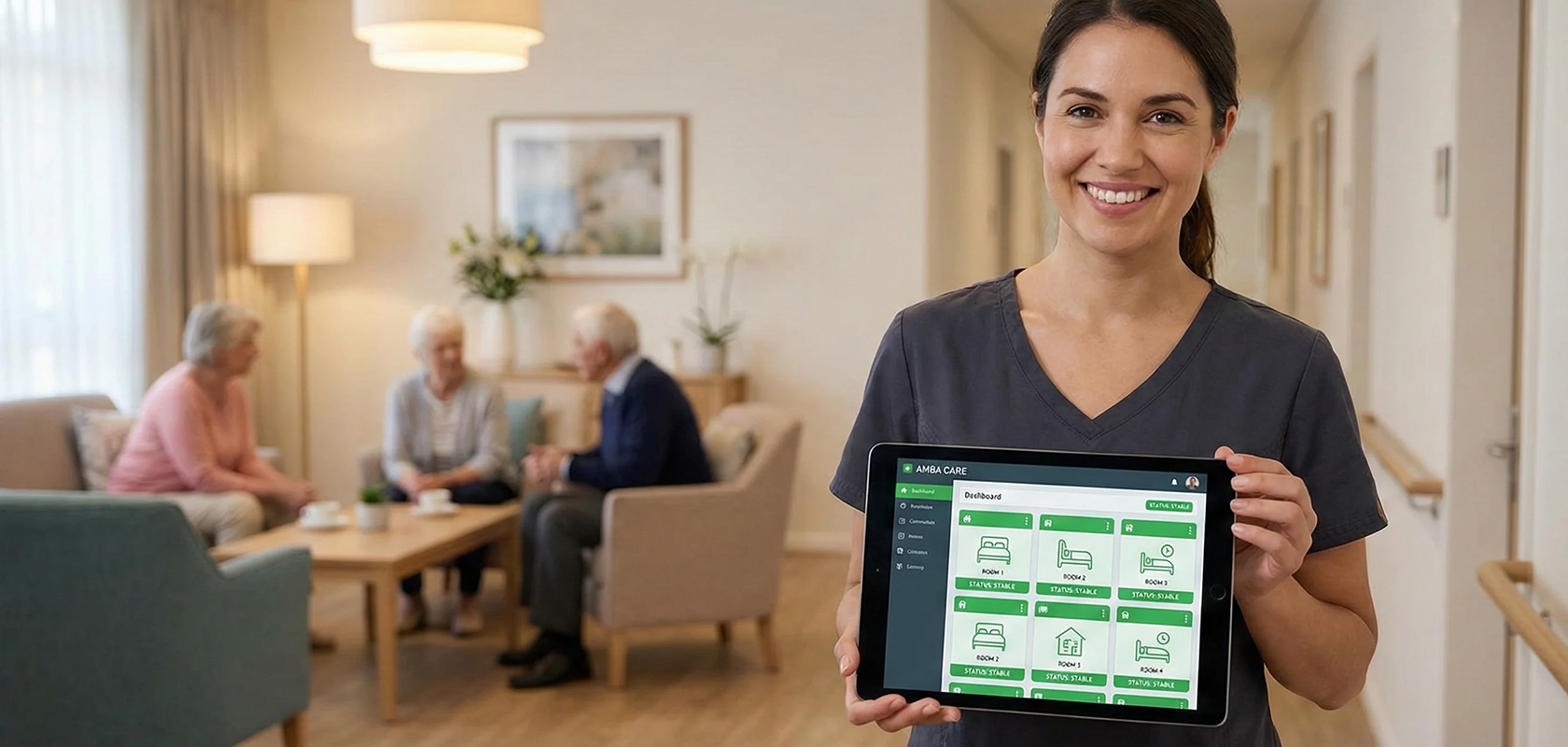
As we move through the first quarter of 2026, the senior living industry is facing a paradox. While demand for high-quality care is at an all-time high, the workforce is stretched thinner than ever. The primary culprit? Burnout.

The caregiver labor shortage in senior living conversation is no longer about future planning. In 2026, it has become one of the most urgent operational challenges facing senior living communities across the United States.
The cost of falls in senior living is often calculated in narrow terms, like hospital bills, emergency response and immediate care needs. These numbers are easy to track, easy to report and easy to justify in operational reviews. But they are also incomplete.
In the world of senior living, there is a delicate tightrope to walk. On one side, there is the operator’s duty of care—the need to ensure residents are safe, healthy and accounted for. On the other side, there is the resident’s right to a life of dignity and privacy.
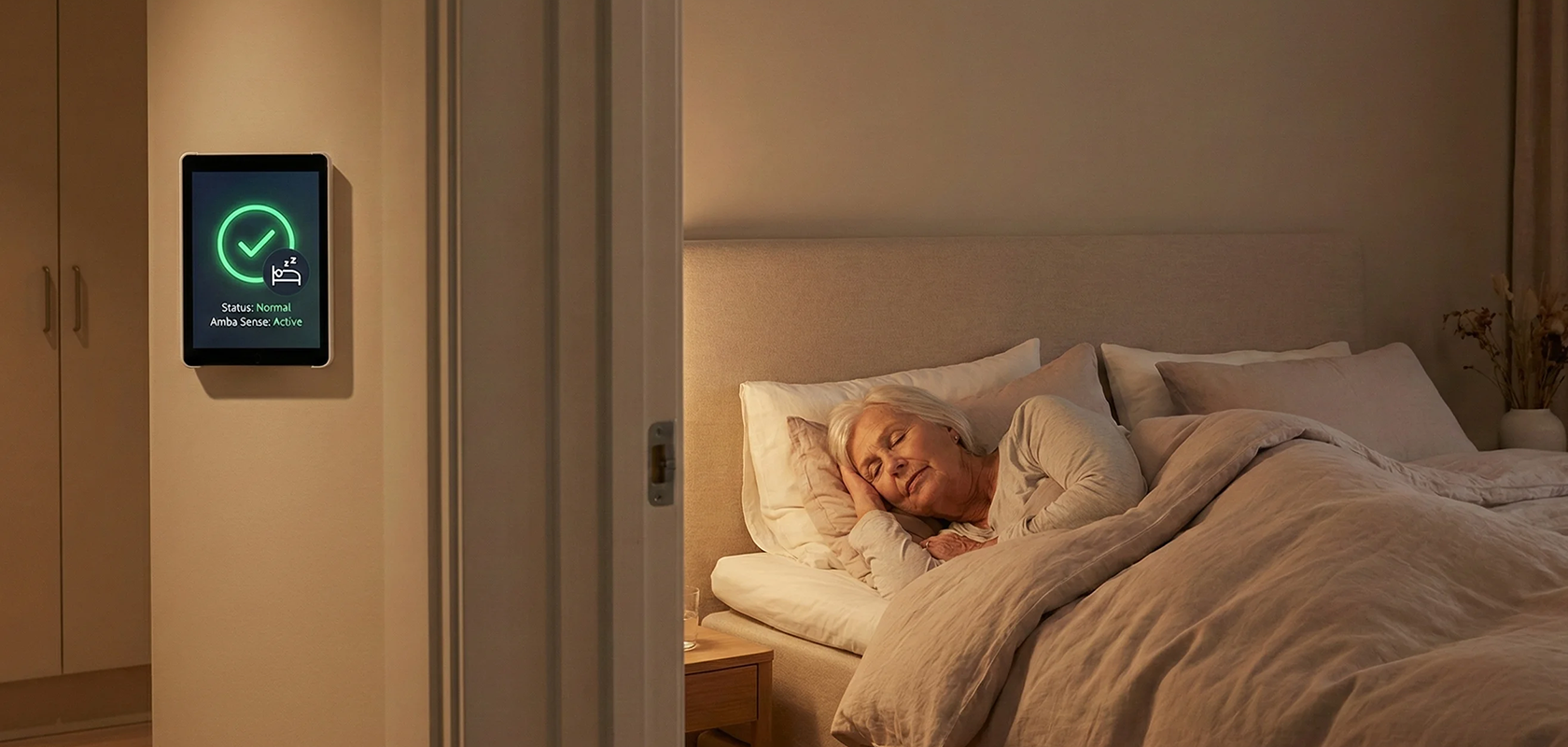
For decades, the “night check” has been a fundamental pillar of senior living. Every two hours, a caregiver quietly opens a door, shines a light and confirms a resident is breathing and in bed. It was born out of necessity—the only way to ensure safety was physical presence.
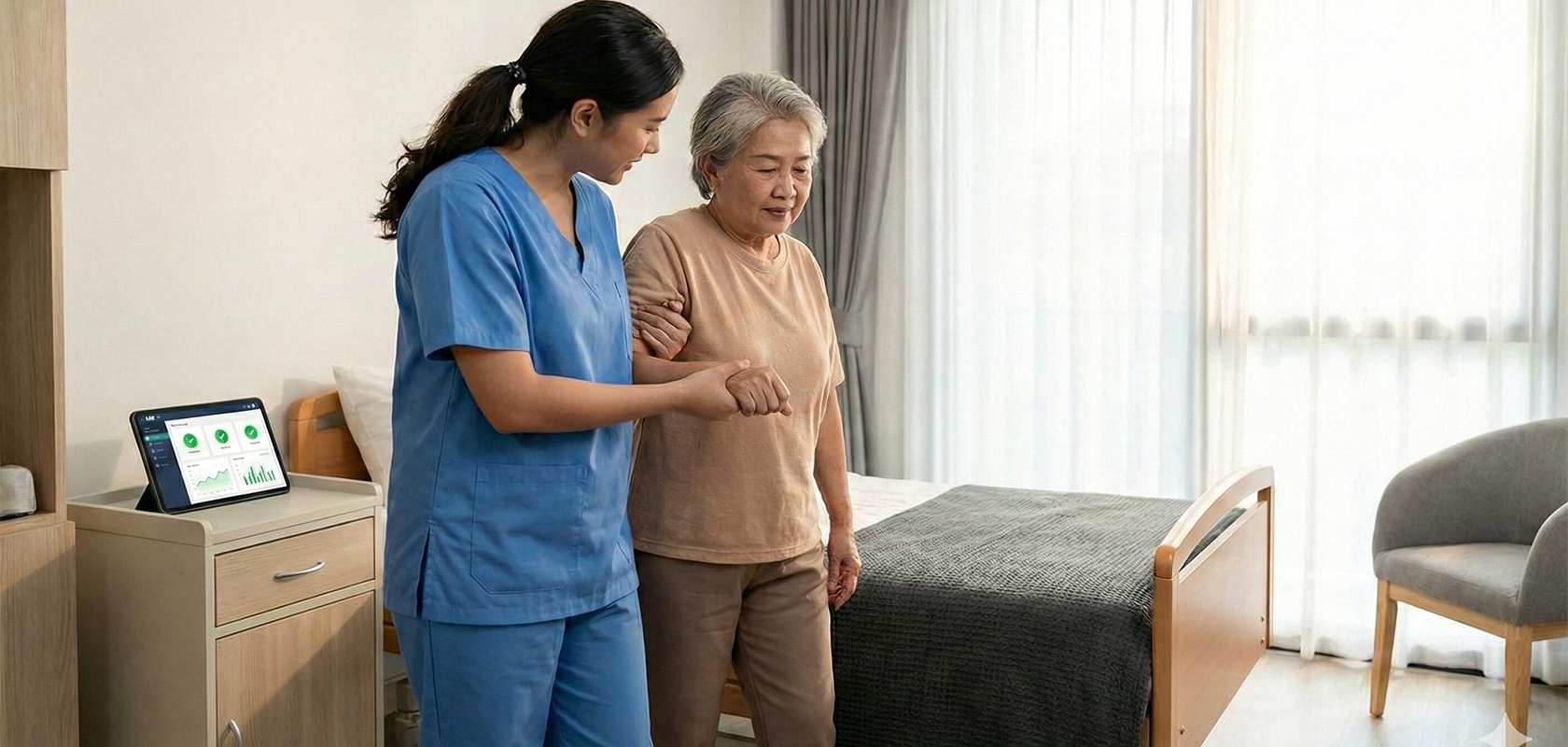
Managing fall risk isn’t just a clinical responsibility; it’s a constant operational and emotional pressure that shapes how care is delivered.
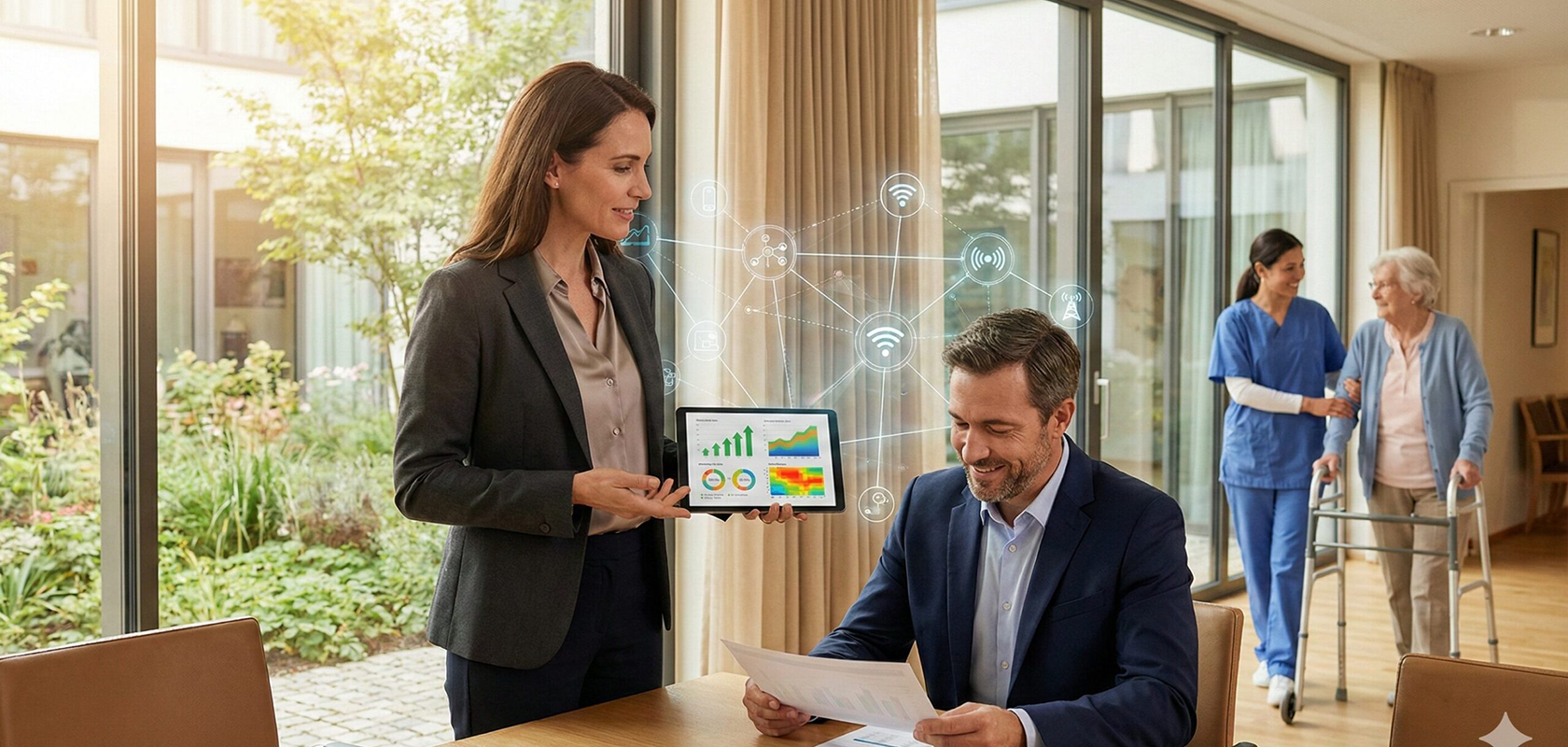
As an Executive Director, you live at the intersection of compassion and commerce. Your daily reality involves balancing the emotional needs of residents and their families with the rigid financial expectations of your investors and board members.
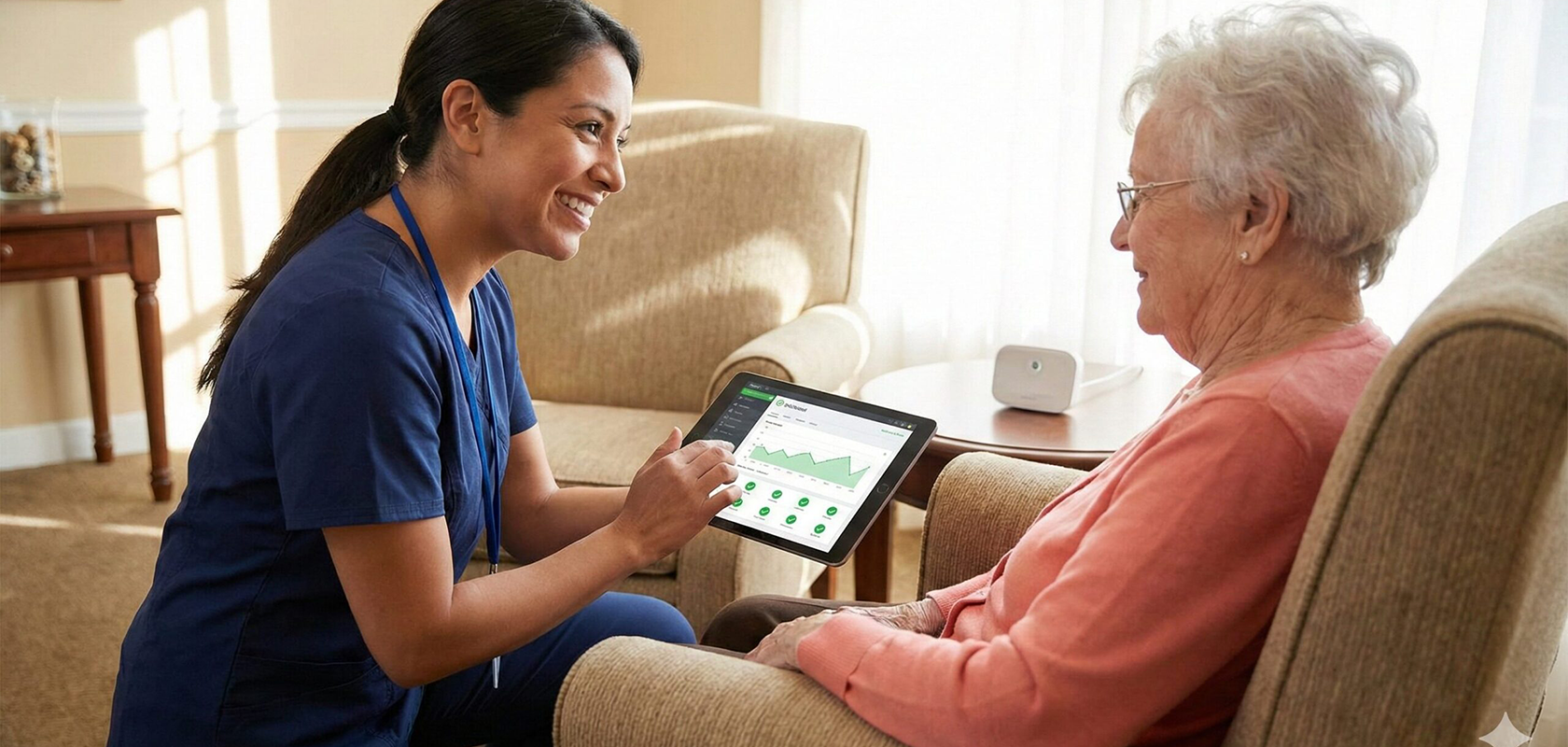
In boardrooms across the senior living sector, one topic dominates every strategic discussion: staffing. The industry is facing a brutal reality where the demand for beds is rising, but the supply of qualified caregivers is shrinking.
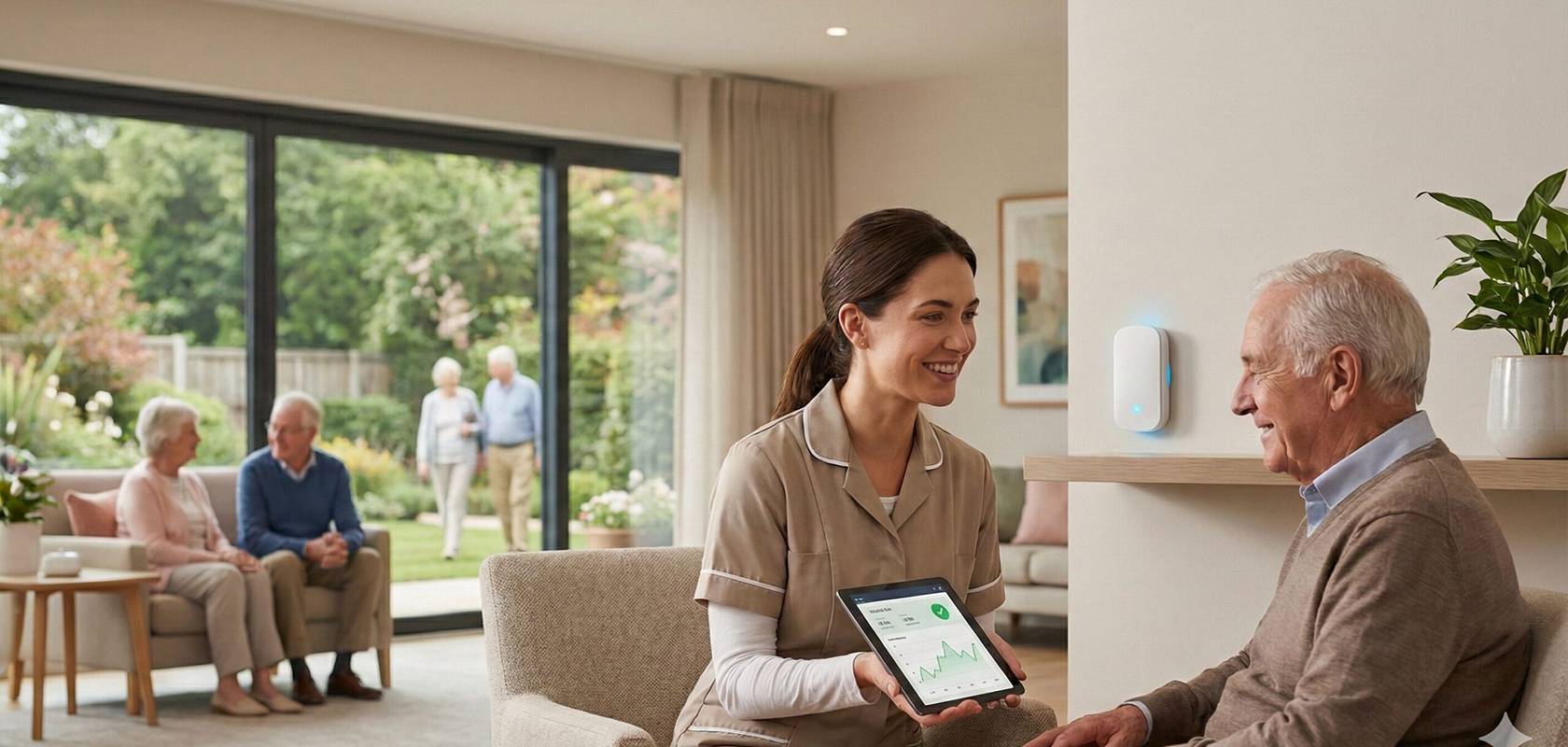
In the current senior living landscape, executive directors and facility owners are caught in a pincer movement.
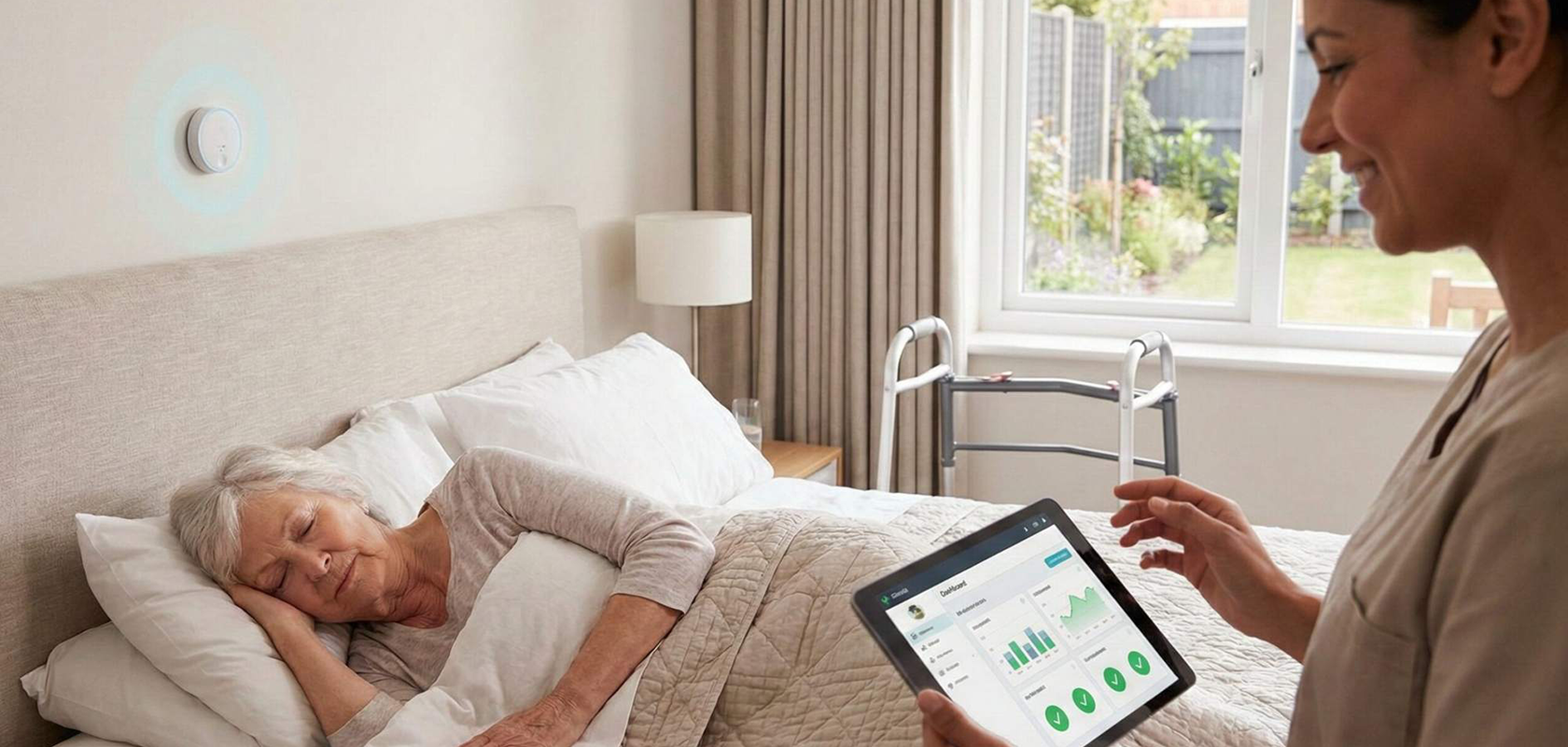
The senior living industry is at a crossroads. Demand is rising as the population ages, yet staffing shortages remain a critical bottleneck.
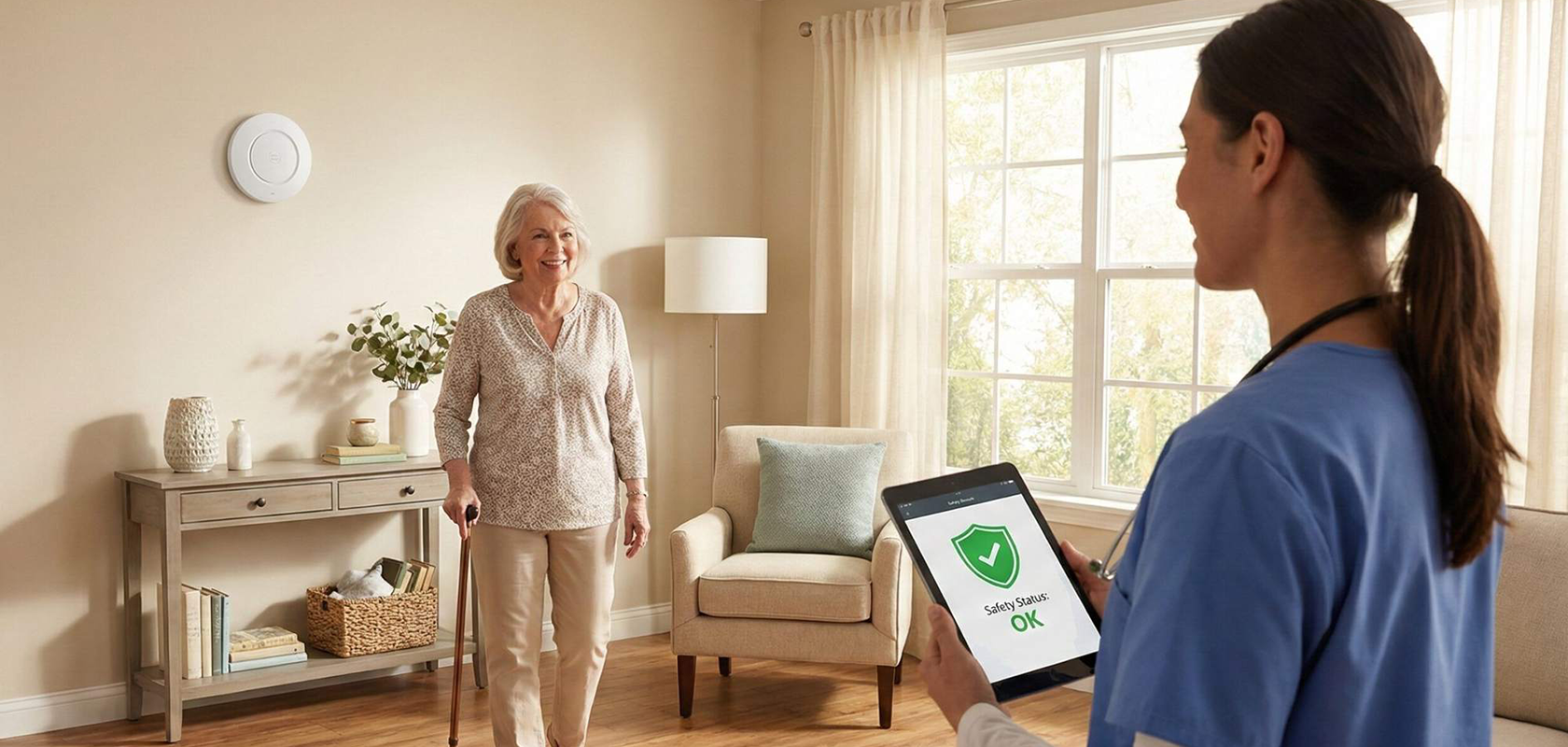
For any senior care community, ensuring resident safety is the highest priority. Among the many challenges, preventing falls stands out as a critical, daily concern.

November is a time to honor the incredible individuals who form the backbone of our healthcare system. Nurses, home care aides, therapists, and social workers dedicate their lives to making a profound difference in the well-being of patients and families.

November marks American Diabetes Month, a time to raise awareness and support for the millions affected by diabetes.

This October, we celebrate the 25th anniversary of Health Literacy Month, a milestone that highlights the critical role health literacy plays in improving the quality of care and well-being for older adults.
Every year, Fall Prevention Week serves as a reminder of the significant risk falls pose to older adults.
September marks World Alzheimer’s Month, a time to recognize the millions of people around the globe affected by this challenging disease and to reflect on how we can better support both those living with Alzheimer’s and their caregivers.

As National Assisted Living Week begins, Amba Health is proud to shine a spotlight on the incredible work of our assisted living facility partners across the nation.

As the golden hues of September usher in the transition from summer to fall, they also bring with them a reminder of the importance of embracing each stage of life with vitality and vigor.
BlogLina2026-07-23T14:36:36-04:00